Travel along the longest railway route in Russia
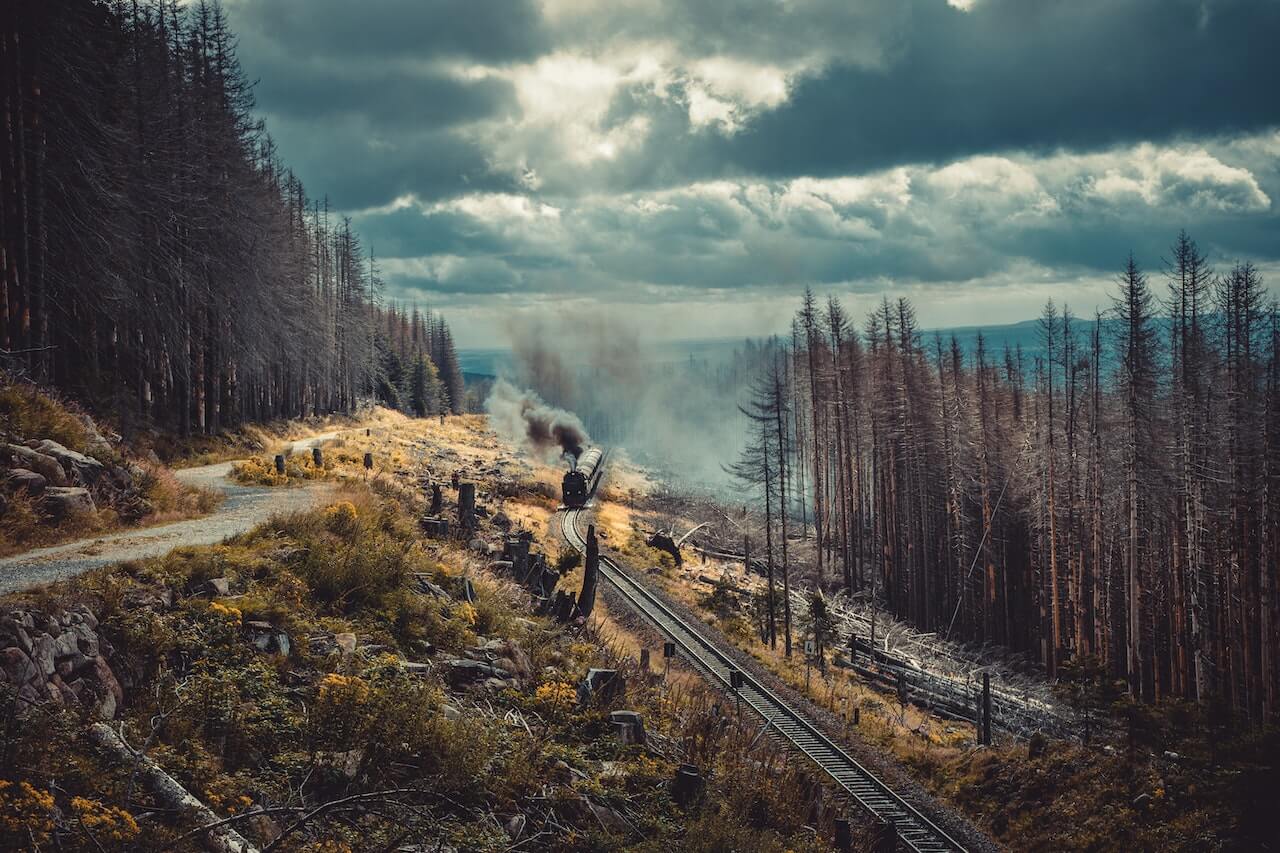
Today, the longest railway route in Russia in operation is the Trans-Siberian Railway, with a length of 9288.2 kilometers. On the Moscow - Vladivostok route, the N1 train constantly runs under the separate name "Russia" (the first flight took place on September 30, 1966), which overcomes 7 time zones during 6 days on the way, and passes a path equal to 73% of the diameter of the globe. In addition to these incredible facts, the path of the N1 train passes through 87 Russian cities.
History of the Trans-Siberian Railway
The Great Siberian Way has many glorious and tragic pages at the same time. After all, the longest and most difficult road was built almost by the hands of prisoners exiled to Siberia. For twenty-five years, from 1891 to 1916, thousands of people unknown to history ended their lives in inhumane conditions of the construction of the way, and were buried in unmarked graves along the entire, more than 9,000 kilometer route. According to historical documents, up to 90,000 prisoners were repeatedly involved in the construction of the highway at the same time. With the help of the most primitive tools, using exclusively manual labor, under the guidance of only Russian specialists and engineers, a unique railway track was built, a large number of tunnels were pierced and many railway bridges were erected. By the way, the 8140 kilometer of the railway route is known for the longest land tunnel, between the stations Tarmanchukan and Kundur-Khabarovsk (Arkharinsky district of the Amur region). And in total, 15 tunnels have been laid along the highway, working to this day, with the exception of one.
I had to work in extremely difficult conditions, because, for example, frosts on the Mogocha-Skovorodino segment (the Trans-Baikal Territory and the Amur Region, respectively) reach up to -62 degrees. Of course, it was impossible and too expensive to attract foreign specialists to work in such conditions.
Despite the difficulties, the first train with a non-stop Moscow - Vladivostok service departed from the Moscow platform on April 30, 1914, and arrived at Vladivostok station in 9.5 days. Since the locomotives that served as the driving force of the trains needed constant replenishment with water and fuel, stops for such procedures increased the stay of passengers on the way.
After the beginning of regular operation of the Trans-Siberian Railway (since 1916), the longest railway track in Eurasia was repeatedly rebuilt and completed. The first trains to Vladivostok departed from Moscow's Kursky Railway Station at 11:30 every Wednesday and Saturday, and its path ran in addition to Russian cities, through Manchuria and Harbin.
Due to the peculiarities of the railway capacity, certain sections of the Trans-Siberian Railway are limited to the maximum length of the train. By the total number of wagons, this means:
- Moscow-pass.-Yaroslavl, Sverdlovsk railways - 17 cars;
- Trans-Baikal Railway - 18 cars;
- Gorky, West Siberian, Krasnoyarsk and Far Eastern Railways - 19 cars;
- East Siberian Railway - 20 cars.
Despite such restrictions on the length and carrying capacity of individual sections of the highway, railway communication between areas located thousands of kilometers from each other contributed to the powerful development and development of previously inaccessible places in Siberia and the Far East.
After the end of the Civil war and the cessation of armed conflicts in the area of the Trans-Siberian Railway, regular traffic was restored in 1925 (after the restoration of the bridge over the Amur River in Khabarovsk). Dozens of books have been written about the Russian-Chinese conflict over the Trans-Siberian Railway, and many films have been played.
It is impossible to assess the importance of the Trans-Siberian Railway during the Great Patriotic War at all, because it was with the help of the railway that hundreds of thousands of civilians and many hundreds of enterprises working for military purposes that supplied their products via the same railway to the places of hostilities were evacuated. Special-purpose letter trains, sometimes significantly exceeded all permissible limits, supplied the Red Army with military supplies, and later allowed military units to be transferred for further offensive and defeat of the Japanese-Kwantung army. These historical events are reflected in literature and art.
During the regular operation of the Trans-Siberian Railway, a unique infrastructure has developed that is most suitable for the efficient use of the railway.
To do this, stations were created for :
- changes of locomotives and train crews (Vladimir, Balezino, Yekaterinburg-Passenger, Barabinsk, Mariinsk, Winter, Belogorsk I, Khabarovsk I);
- train water supply: Moscow, Perm II, Yekaterinburg, Omsk, Novosibirsk-Glavny, Krasnoyarsk, Winter, Ulan-Ude, Karimsk, Amazar);
- fuel supply of the train: Moscow, Perm II, Yekaterinburg, Omsk, Novosibirsk, Ilansky, Winter, Ulan-Ude, Belogorsk I, and Vyazemsk;
- garbage collection: Moscow-4, Nizhny Novgorod, Kirov, Perm II, Yekaterinburg, Tyumen, Omsk, Mariinsk, Ilansky, Taishet, Winter, Angarsk, Slyudyanka I, Ulan-Ude, Karimskaya, Amazar, Skovorodino, Belogorsk I, Vyazemskaya.
Additional services that perform certain work on passenger and freight transportation are located at all 63 stations where the branded train "Russia" stops. By the way, the Trans-Siberian railway has a station Seredinka, which fully corresponds to its name, because it is located exactly in the middle of the Eurasian way.
During the operation of the Trans-Siberian Railway, the appearance of the wagons changed periodically. In Soviet times, the wagons were cherry (with large metal letters), then red, crimson, and finally the usual green. Tricolor coloring with a double-headed eagle stencil, has been approved since 2000.
There have also been changes in the timetable of the branded train - if before 1993 the train ran daily, then after the new annual schedule it began to run every other day, on odd numbers. It should be noted that until 2001, the Rossiya train ran along the main course of the Trans-Siberian Railway (via Yaroslavl). But since June 2001 and to the present time, traffic has been carried out along the Gorky Course (through Fryazevo, Vladimir and Nizhny Novgorod).
The numbering of the cars remained unchanged (from the "head" of the train when departing from Moscow, from the "tail" of the train when departing from Vladivostok), and the absence of a replaceable stencil on the cars.
Railway tours
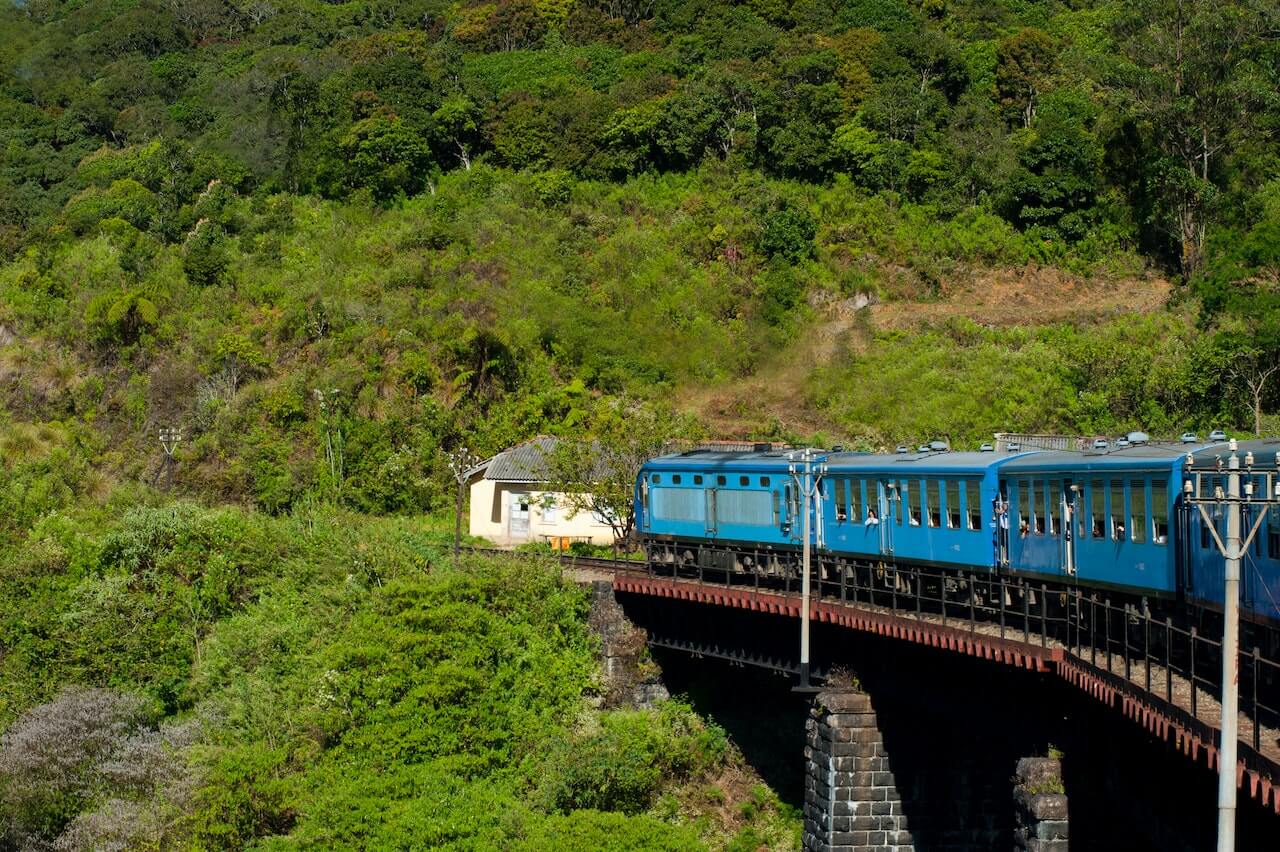
As a separate type of recreation and tourism, railway tours have become increasingly popular. There is no way to compare a regular air flight and a long-distance train journey, neither on the price scale, nor on the level of service and positive emotions acquired. Before the outbreak of hostilities in Ukraine, foreign tourists began to actively explore new routes of railway tourism for themselves, and even made up priority directions for themselves, which, without a doubt, included traveling along the Trans-Siberian Railway. Of course, exploring the Russian expanses, foreign tourists demand a familiar level of comfort and convenience.
To create such conditions, a lot of work was done to create special high-comfort cars, luxury class and even a "golden suite" (with velvet armchairs and porcelain tea sets). It should be noted that the greatest changes on the Russian railways probably affected the personnel. After all, it is quite clear that no tourist will agree to pay from 11 thousand EUR for a trip on the Golden Eagle train, and at the same time receive poor service. And there are 10-12 such cruise "excursion" flights a year, so, as we see, "the cadres decide everything."
Going on a 15-day tourist railway route on the magnificent and legendary "Trans-Siberian Express", travelers get a unique opportunity to get acquainted with local historical monuments, visit the most famous places. That is why the tourist route provides for a longer time on the way to the Pacific Ocean. All long-term stops are provided by the schedule of the excursion program, to continue the journey, the cars are necessarily served on the first track, which is very convenient for tired tourists.
Another popular route among outdoor enthusiasts was the Baikal Express. As the name suggests, the tourist program involves an in-depth study of the area around Lake Baikal. Of course, such a journey is somewhat shorter in time, but it starts from Irkutsk, so the road to this place can also be used to observe beautiful landscapes.
The state tour operator Russian Railways Tour guarantees travelers practical cosmetic bags adapted for long-term use in the conditions of exploring Siberia, as well as bathrobes, soft slippers and a set of towels for a comfortable stay in the car. A traveler can get a special guide that is "tied" to the picture outside the window. Such a guide will help you understand what you have seen in more detail. If necessary, the on-board car entertainment system will provide the service of an excursion guide, voicing what he saw. Even such a trifle as taking care of long hair has become a pleasant bonus for their owners - the car is equipped with a normal, powerful hairdryer.
If it became impossible to observe something outside the window of the car, evening has come, a TV with a DVD player, an on-board entertainment system, movies, audiobooks, cartoons, games are at the service of tourists. The choice will satisfy the requirements of the most picky user. Thus, a railway cruise ceases to be an ordinary train trip, and turns into accommodation in a small but comfortable hotel room.
Food and meals on the train
Another of the topics that travelers are always concerned about is the level and quality of food that is provided by the tourist service. Since the cost of travel includes payment for lunches and breakfasts on the train, visiting the restaurant car becomes a regular activity. It should be noted that the menu is based on traditional dishes for Russian railways: cheesecakes, porridges, omelets. In addition, the preparation of dishes of the "regional" menu with dishes typical of the local nationalities, where the tourist train is currently located, is provided especially for tourists.
For special travelers, according to preliminary arrangements, the preparation of dietary or vegetarian food is provided. Do not forget about the children who are increasingly traveling with their parents. They will not be bored - a variety of games and entertainment are always at the service of young tourists, and their food is under special control.
Traveling by rail provides for planning the tourist's expenses to the smallest detail, because such a trip is a comfortable stay in familiar conditions, with a small difference - your temporary housing is constantly moving.